Bibimbap
About This Dish
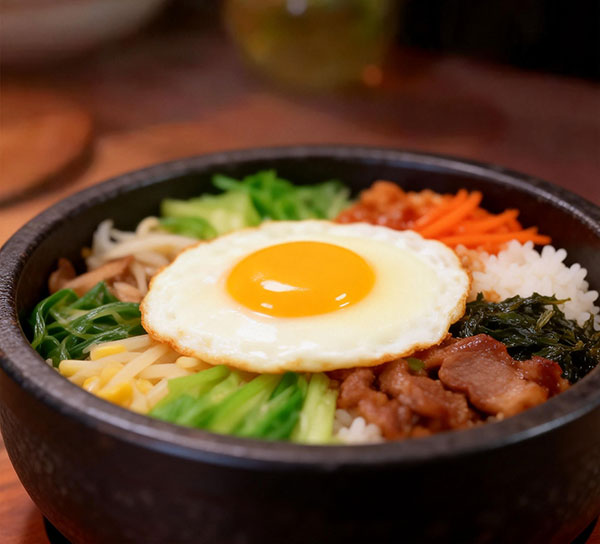
Bibimbap means 'mixed rice' in Korean, and that's exactly what you do—mix everything together until it's a beautiful, colorful mess. I love this dish because it's basically a way to use up whatever vegetables you have in the fridge, but it never feels like you're just eating leftovers. The key is getting that crispy rice at the bottom if you're using a stone pot, or just making sure everything is seasoned well if you're using a regular bowl. The gochujang sauce ties it all together, and once you mix it up, every bite is different. Some bites are all vegetables, some have that perfect mix of rice and egg and meat. It's the kind of meal that makes you slow down and actually pay attention to what you're eating.
Flavors
Nutrition Information
Ingredients
- Short-grain rice
- Beef (thinly sliced) or ground beef
- Spinach
- Bean sprouts
- Carrots
- Zucchini
- Mushrooms
- Egg
- Gochujang
- Sesame oil
- Soy sauce
- Garlic
- Sesame seeds
Instructions
-
1
Cook your rice first. If you have a stone pot, use that. If not, a regular pot works fine—you just won't get that crispy bottom.
-
2
While the rice cooks, prep all your vegetables. Julienne the carrots and zucchini, slice the mushrooms thin.
-
3
Blanch the spinach and bean sprouts separately. Squeeze out excess water and season each with a bit of sesame oil, soy sauce, and garlic.
-
4
Cook each vegetable separately in a pan with a tiny bit of oil. You want them cooked but still with some texture. Season as you go.
-
5
Cook your meat. If using ground beef, brown it and season with soy sauce and a bit of sugar. If using sliced beef, marinate it first, then cook quickly.
-
6
Fry an egg sunny-side up. The runny yolk is important—it becomes part of the sauce when you mix everything.
-
7
Mix your gochujang sauce: gochujang, a bit of sesame oil, maybe some rice vinegar, and a touch of sugar to balance the heat.
-
8
Arrange everything over your rice in sections—meat, each vegetable, the egg on top. Drizzle with the gochujang sauce and sesame seeds.
-
9
Mix it all together right before you eat. The first few bites are the best.
Cooking Tips
- Don't skip the step of cooking each vegetable separately. It seems like extra work, but it makes a huge difference in flavor.
- If you're using a stone pot, heat it up before adding the rice. That's what gives you that crispy bottom layer.
- The gochujang can be pretty spicy. Start with less than you think you need—you can always add more.
- Leftover vegetables? They keep well in the fridge for a day or two. Just reheat gently before using.
Quick Summary
Cook rice, prepare vegetables separately, cook meat, and arrange everything over rice with a fried egg. Mix with gochujang sauce right before eating.